The Sipvexa Journal
Golden Hour in a Glass: A Guide to Citrus-Infused Tea
Sipvexa Journal · The Ritual of Refreshment
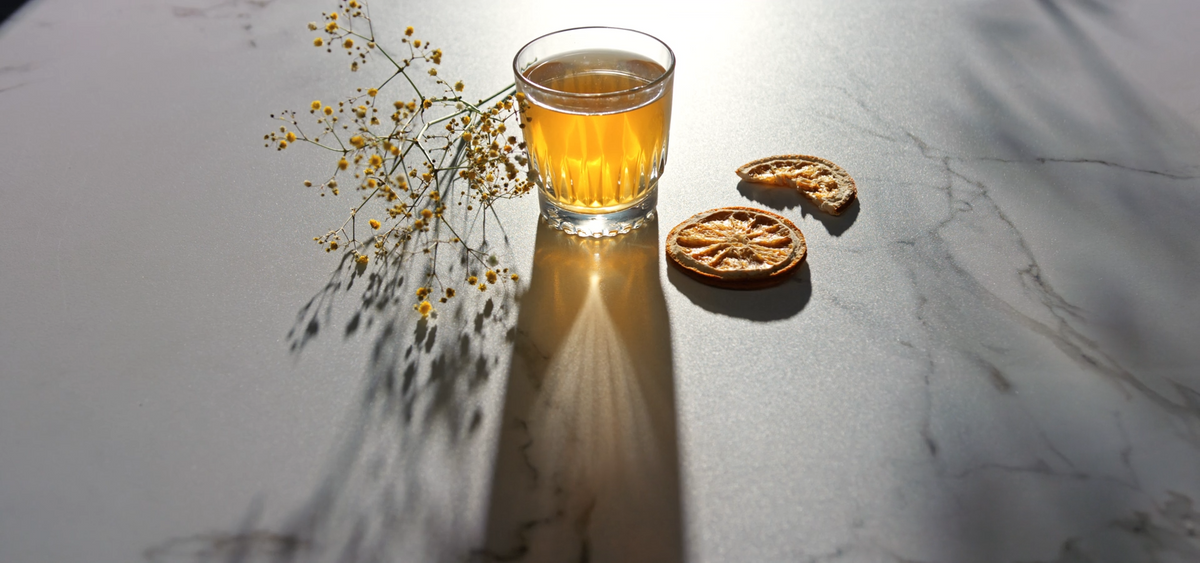
Some drinks seem to hold the afternoon light. A small glass of amber tea, a slice of dried orange, and a few delicate botanicals can create a scene that feels quietly celebratory. There is no grand occasion required. Citrus-infused tea brings fragrance, color, and a gentle sense of ceremony to an everyday beverage.
The beauty of this style of tea lies in its flexibility. It can be brisk and refreshing, soft and floral, warm and spiced, or delicately sweet. At Sipvexa, we see it as an invitation to explore the breadth of tea—from familiar black teas to green, oolong, and caffeine-free herbal infusions—through one of the kitchen’s simplest ingredients: citrus.
Start with the tea, not the garnish
An orange slice makes a drink beautiful, but the tea provides its structure. Match the base to the feeling you want to create.
Black tea has enough depth to stand alongside orange peel, cinnamon, and a little honey. It is ideal when you want a familiar, full-flavored cup that remains recognizable beneath the additions.
Green tea can be grassy, marine, vegetal, or softly sweet depending on its style. Pair it with a lighter touch of citrus and avoid masking its subtler flavors with too much juice.
Oolong tea occupies a wonderfully varied space: some styles are floral and delicate, while others are roasted and rich. A tiny strip of peel may be all they need.
Herbal infusions offer possibilities beyond the tea plant. Hibiscus can create a tart, vivid cup; rooibos tends toward a mellow, naturally sweet impression; peppermint makes a cooling contrast to lemon. Check individual labels if you are choosing beverages to avoid caffeine, since not every blend is caffeine-free.
Citrus has more than one personality
Fresh juice, zest, peel, and dried slices all behave differently in a cup. Lemon adds vivid tartness. Orange brings sweeter, rounder citrus notes. Grapefruit adds a pleasantly bitter edge that works best in small amounts. Dried citrus is especially convenient for slow infusions and attractive presentation.
The white pith beneath the peel can be bitter, so use thin strips of colored zest when you want aroma without too much bitterness. Wash fresh fruit before slicing and use food-grade dried citrus intended for consumption. If adding fresh citrus juice, start with a few drops and taste; acidity can easily take over delicate tea.
Botanicals deserve the same restraint. A little culinary lavender, a cinnamon stick, or a sprig of rosemary can add dimension, but combining all of them at once may produce a crowded flavor. The most memorable blends often have a clear leading note and one supporting accent.
Recipe: Sunlit orange tea
This gentle recipe works particularly well with a medium-bodied black tea or a mellow, caffeine-free rooibos blend.
For one serving:
- 1 tea bag or an equivalent serving of loose-leaf tea
- 8 fl oz freshly heated water, at the temperature recommended for the tea
- 1 thin orange slice or 1 food-grade dried orange wheel
- A small strip of orange zest, optional
- Honey or another sweetener, optional
Steep the tea according to its packaging. Remove the leaves or bag, then add the orange slice. Let it rest for a minute to release fragrance before tasting. Add a little sweetener only if the drink needs it. Serve in a heat-safe glass so the golden color becomes part of the pleasure.
For an iced version, prepare a slightly stronger tea, remove the leaves, and chill it promptly. Pour over ice and garnish with citrus just before serving. Avoid leaving fresh fruit in a large batch for hours if its flavor becomes too strong.
Temperature and timing matter
Not every tea wants boiling water. Delicate green teas may become harsh when treated like robust black tea. Loose-leaf teas also vary in the amount needed per cup. The simplest approach is to follow the producer’s guidance, then adjust one detail at a time based on taste.
If your cup is weak, use a little more tea rather than endlessly extending the steep. If it is astringent, try a shorter infusion or a cooler water temperature where appropriate. If citrus dominates, reduce the garnish before blaming the tea. These small choices help preserve balance.
Style a tea moment with natural elegance
The image behind this article is striking because almost nothing is competing for attention: luminous tea, weathered citrus, tiny flowers, and the geometry of afternoon shadows. You can borrow that principle at home. Choose a simple tray, a clear glass, and one botanical detail. A pale stone or wooden surface complements the drink without needing elaborate decoration.
For guests, prepare the base tea ahead and place a small selection of citrus slices and herbs on the table. Guests can personalize their cup with one or two additions. Label your tea choices clearly, especially when some contain caffeine and others do not. A little intentional hospitality goes further than an overflowing garnish station.
Explore beyond one favorite blend
Once you discover a pairing you love, use it as a starting point. Try black tea with orange and cinnamon on a cool day. Enjoy green tea with a discreet twist of lemon in warmer weather. Pair a floral oolong with a tiny strip of mandarin peel. Serve rooibos with orange for an evening-friendly alternative when you want to avoid caffeine.
Keep a few notes about the tea, citrus, and steeping time. The purpose is not to become overly technical; it is to notice which combinations make you want another cup.
A final sip: Beautiful tea is rarely about complexity. With a thoughtfully chosen base, one bright citrus accent, and a little attention to preparation, the simplest glass can feel like golden hour. Explore Sipvexa’s tea selection and find a combination that suits your next quiet afternoon.
Find your next favorite sip. Discover the world of tea, coffee, and thoughtfully chosen non-alcoholic beverages at Sipvexa.
Explore All Beverages